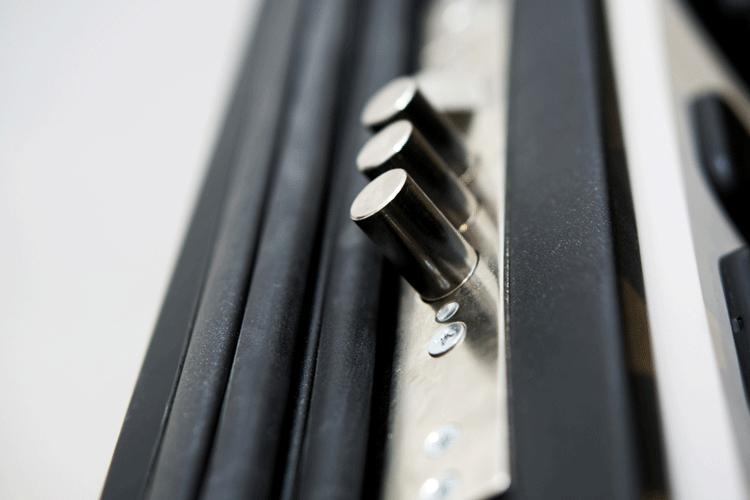
A new condo key does not necessarily mean you are the only person who can open the door. Previous owners, tenants, contractors, or neighbors may still have copies. Before scheduling condo lock rekeying in Fort Lauderdale, check your association’s rules, the condition of your hardware, and whether your entrance belongs to a building-wide access system. Those details help determine whether a straightforward rekey is appropriate—or whether you need a different solution.
Rekeying changes the internal configuration of a compatible lock so that old keys no longer operate it. The existing hardware usually stays in place. It is a practical option when you want control over key access without replacing a functioning lock.
Frequently Asked Questions
Is rekeying a condo lock usually cheaper than replacing it?
Rekeying often costs less when the existing lock is compatible and in good condition because you retain the hardware. The total depends on the number of cylinders, lock type, access-system requirements, and service timing. Request an itemized estimate before deciding.
Should you rekey the locks after buying a condo?
Rekeying is worth considering because you may not know how many copies of the previous key exist. First, check the association’s access requirements and whether the unit lock belongs to a restricted or master-key system.
Do you need condo association approval before rekeying?
Requirements vary by building and governing documents. Ask management whether approval, an authorized provider, or an updated emergency-access key is required. Renters should also obtain the owner’s authorization.
Can every condo door lock be rekeyed?
Many keyed locks can be rekeyed, but compatibility, wear, and restricted key systems can limit the options. Keyless devices may require credential changes instead. A locksmith can inspect the hardware and explain whether rekeying or replacement makes sense.